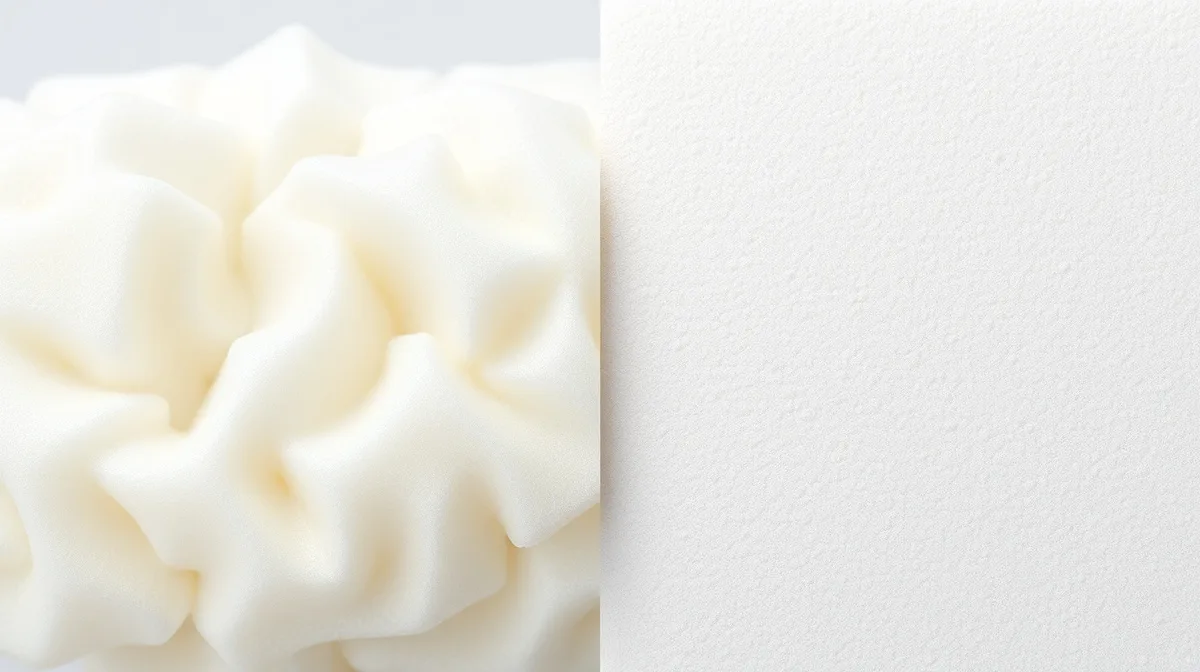
Is Spray Foam Insulation Safe? Off-Gassing Myths vs. Facts
Search "spray foam insulation problems" and you'll find plenty of alarming stories: strong chemical odors, headaches, homes gutted and re-insulated within a year. Those stories are real, and pretending otherwise doesn't build trust with anyone doing their homework. But the full picture is more specific than the headlines suggest. Off-gassing is a real, well-understood, temporary phase of the curing process, not a permanent property of spray foam insulation. Almost every documented safety complaint traces back to a bad DIY kit or an improperly mixed, improperly cured professional job, not to correctly installed spray foam. Here's what's actually happening chemically, how long reoccupancy really takes, and why the difference between a licensed crew and a shortcut job is the whole story.
What Off-Gassing Actually Is
Spray polyurethane foam is created on-site by combining two liquid chemical components: an isocyanate (the "A-side") and a polyol resin blend (the "B-side"). When a trained applicator sprays them through a proportioning rig, they react instantly, expanding and hardening within seconds. That reaction is exothermic, meaning it releases heat, and like most curing chemical reactions it releases volatile organic compounds (VOCs) as a byproduct while the foam transitions from liquid to a fully set solid. That VOC release, plus the characteristic chemical smell, is what people mean by "off-gassing." It's not unique to spray foam; fresh paint, new carpet, and countless other building products go through a similar off-gassing period. The difference with spray foam is that the reaction happens fast and in place, so the smell is noticeable during and immediately after installation.
How Long Off-Gassing Lasts: Realistic Reoccupancy Timelines
On a correctly installed job, the bulk of the chemical reaction is finished within minutes, but full cure and off-gassing tail-off takes longer. Manufacturer guidelines and industry best practice call for occupants, pets, and anyone not wearing protective equipment to stay out of the work area during spraying and for a defined re-entry window afterward. For most residential jobs with proper ventilation running, that's roughly 24 hours before re-entry to the immediate work area, and any lingering odor should fade substantially within a few days as the space continues to air out. Larger commercial jobs or applications with limited ventilation may call for a longer window; a licensed installer will tell you the specific timeline for your project rather than giving a one-size-fits-all number.
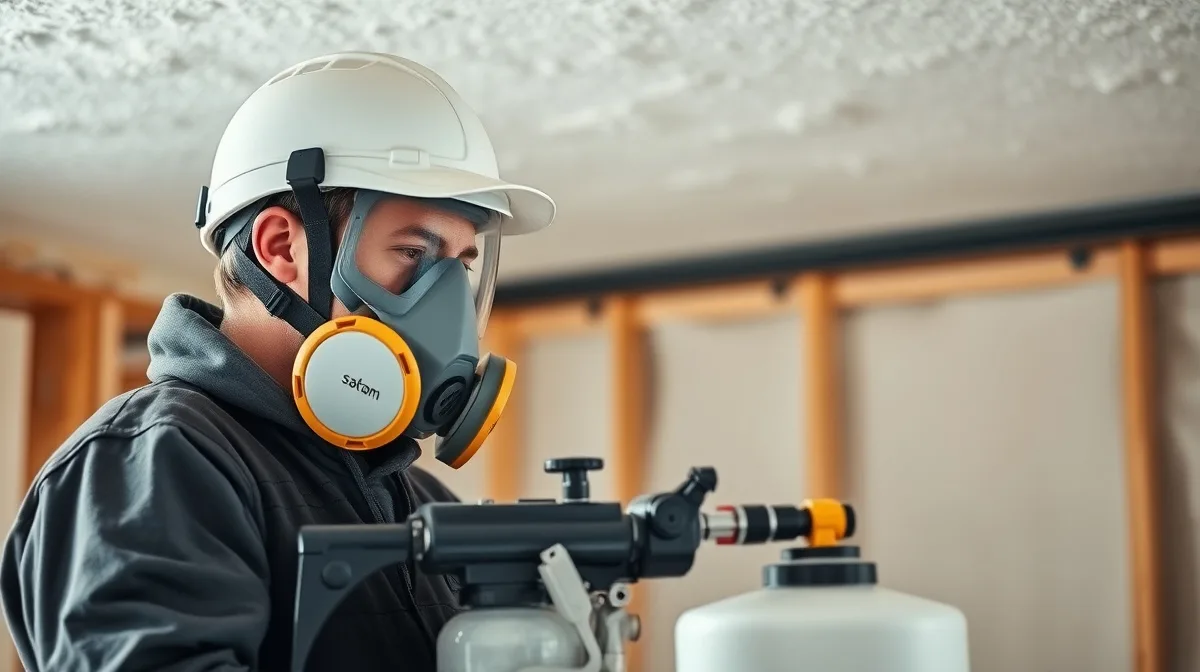
- During spraying: work area is fully vacated; crew uses supplied-air respirators and protective equipment.
- 0-24 hours after spraying: occupants and pets stay out while active off-gassing and mechanical ventilation do their job.
- 24-72 hours: any residual odor typically continues to fade as the space airs out; most people notice it's largely gone within this window.
- After full cure: no meaningful ongoing VOC emission from correctly installed foam.
Why Most Horror Stories Trace Back to Bad Installs, Not Spray Foam Itself
A correctly installed spray foam job depends on getting several variables right at the same time: a precise 1:1 ratio between the A-side and B-side chemicals, substrate and ambient temperatures within the manufacturer's specified range, correct humidity, and spraying in the right thickness per pass (referred to as "lift") so the reaction can complete properly instead of trapping unreacted chemical inside the foam. Licensed professional crews use calibrated proportioning equipment that continuously monitors ratio and pressure, they follow ventilation protocols during and after spraying, and they know the working conditions each product requires. When all of that is done correctly, the foam cures fully and off-gassing follows the normal, temporary timeline described above.
The DIY Kit Problem
Small two-component DIY spray foam kits are sold in hardware stores for minor gap-filling and are not the same scale of application as a whole-attic or whole-wall professional job. Without calibrated equipment, a DIYer has no reliable way to confirm the ratio is correct, and even a modest ratio imbalance can leave a meaningful amount of unreacted chemical in the foam. Add in the wrong ambient temperature, no real ventilation plan, and no respiratory protection, and you get the exact conditions that produce a lingering, sometimes months-long chemical odor. This is the single most common source of the worst spray foam safety complaints online, and it's a DIY-kit and small-job issue far more than a large-project professional-installation issue.
What an Improperly Cured Professional Job Gets Wrong
The same failure modes can happen on a professional job if a crew cuts corners: skipping ratio checks, spraying too thick a lift too fast, ignoring temperature and humidity requirements, or failing to ventilate the work area properly during and after application. That's why hiring a licensed, experienced spray foam contractor matters as much as the material itself. The equipment, training, and job-site discipline that go into a correct install are the actual safeguard against off-gassing complaints, not a property of the foam that varies by brand or luck.
Is Cured Spray Foam Safe Long-Term?
Once spray polyurethane foam has fully cured, it becomes a chemically stable, inert solid. The reactive components that produce VOCs during curing have finished reacting and are locked into the cured polymer structure; there's no meaningful ongoing chemical emission from properly installed foam sitting in an attic, wall cavity, or crawl space for years or decades afterward. This is true for both open-cell and closed-cell spray foam once cure is complete. Cured spray foam is also widely used in schools, hospitals, and other occupied buildings precisely because, correctly installed, it's considered a safe, long-term building material rather than an ongoing air-quality risk.
What This Means When You're Hiring a Contractor
The practical takeaway is straightforward: the safety of a spray foam job comes down to who installs it and how carefully they follow the process, not whether spray foam as a material is inherently risky. Before you sign a contract, it's reasonable to ask a few direct questions.
- Does the crew use calibrated proportioning equipment that verifies the A-side/B-side ratio during spraying?
- What re-entry and ventilation timeline will they follow for your specific project?
- Do they check substrate temperature and humidity conditions before spraying?
- Are they licensed and experienced with the specific foam type and application (attic, wall, crawl space) you need?
A contractor who answers those questions clearly and walks you through the process before spraying starts is the real safeguard, more so than any brand name on the foam itself. That's the difference between a job that off-gasses on the normal, short timeline and fully disappears, and one that turns into a lingering problem.
Frequently asked questions
Yes. Once spray polyurethane foam finishes curing, it becomes a chemically stable, inert solid with no meaningful ongoing VOC emission. Properly installed foam is considered safe for long-term use in occupied homes, schools, and commercial buildings.
Off-gassing is the release of volatile organic compounds (VOCs) that naturally occurs as the foam's two chemical components react and cure. On a correctly installed job with proper ventilation, occupants typically re-enter the space within about 24 hours, and any residual odor fades substantially over the following few days.
For most residential jobs, plan on staying out of the work area during spraying and for roughly 24 hours afterward while ventilation runs. Larger jobs or spaces with limited airflow may need longer. Your installer should give you a specific timeline for your project rather than a generic estimate.
Nearly all of those cases trace back to a bad DIY kit or an improperly mixed, improperly ventilated professional job, where an incorrect chemical ratio or wrong curing conditions leave unreacted chemical in the foam. Correctly installed spray foam, using calibrated equipment and proper ventilation protocol, does not carry that risk.
Ready for a free quote?
Tell us about your project and we'll build a clear, no-pressure quote.